In the production of hydraulic hoses, the Layline (side-line marking) serves as more than just a branding tool; it is critical for product traceability and safety compliance. For hose manufacturers, choosing from the available hydraulic hose layline printing methods is a key factor in optimizing operational costs and enhancing product competitiveness.

Depending on the rubber compound and production volume, manufacturers typically choose between four primary hydraulic hose layline printing methods: Direct Inkjet Printing, Screen Printing, Laser Engraving, and Vulcanized Transfer Labels. In this guide, we will analyze each method to help you find the most professional solution for your plant.
1. Direct Inkjet Printing: One of the Fastest Hydraulic Hose Layline Printing Methods
Inkjet printing is a widely adopted solution for small to medium-sized hose manufacturers due to its speed and flexibility. This method applies ink directly onto the cover of the hose using industrial-grade printheads.
- Process Characteristics: No plating or screen preparation is required. It supports variable data, making it one of the most flexible hydraulic hose layline printing methods for small-batch production.
- Adhesion Issues: Due to the low surface energy of materials like NBR and EPDM, inks may smear during the vulcanization process.
- Weathering Limitations: Markings may fade faster when exposed to hydraulic oils or UV radiation.
- Maintenance Costs: Frequent printhead cleaning is required to ensure a clean, professional layline.
2. Screen Printing: A Traditional Approach to Hydraulic Hose Layline Printing Methods
Screen printing is a time-tested industrial method best suited for large-volume production of hoses with a single, consistent marking design.
- Process Characteristics: High-viscosity ink is pressed through a mesh screen, resulting in high color saturation and a bold visual presence.
- Production Bottlenecks: As one of the slower hydraulic hose layline printing methods, screen printing requires significant drying time, which can slow down a high-speed vulcanization line.
- Low Flexibility: Every design change requires a new screen, increasing costs for customized orders.
- Environmental Regulations: Certain solvents used in screen inks may release VOCs during the heating process in the autoclave.
3. Laser Engraving: A Permanent Solution Among Hydraulic Hose Layline Printing Methods
Laser engraving uses a high-energy beam to physically ablate or carbonize the hose surface. Unlike ink-based hydraulic hose layline printing methods, this is a “subtractive” process.
- Process Characteristics: The laser creates a permanent recessed marking by removing a thin layer of the rubber surface.
- Material Sensitivity: Not all rubber compounds react equally to lasers; some may show poor contrast or develop microscopic surface cracks.
- Lower Throughput: Because it is a point-to-point process, it is often slower than other hydraulic hose layline printing methods in high-capacity plants.
- Higher Initial Investment: Precision laser systems require a significant upfront capital expenditure (CAPEX).
- Surface Integrity: The physical grooves created by the laser may be a concern for specialized hoses requiring a perfectly smooth finish.
4. Vulcanized Transfer Labels: The Most Professional of All Hydraulic Hose Layline Printing Methods
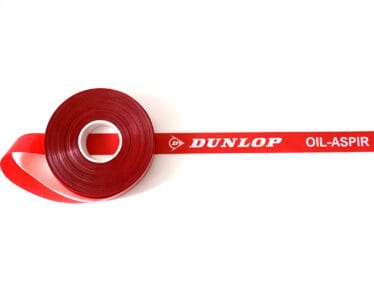
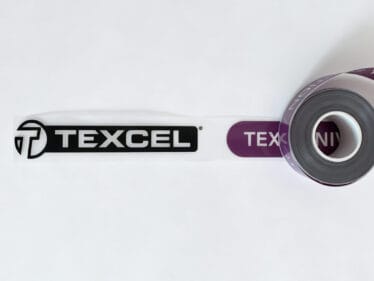
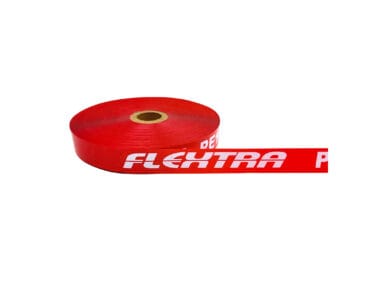
To overcome the limitations of ink and lasers, many high-end manufacturers have transitioned to Vulcanized Transfer Labels. This is widely considered the most efficient of the hydraulic hose layline printing methods for those integrating marking with the curing process.
Core Technical Logic
Unlike other hydraulic hose layline printing methods, transfer labels are wrapped around the hose and heated within the autoclave. At a specific temperature, the pigments undergo physical or chemical cross-linking with the rubber substrate, effectively becoming part of the hose cover.
Key Advantages for Manufacturers
- Enhanced Durability: Because the marking is co-vulcanized, it is virtually impossible to peel or scrape off, offering superior resistance to hydraulic oil and abrasion compared to other hydraulic hose layline printing methods.
- Higher Visual Clarity: Transfer labels provide the sharpest typography and finest line definition, eliminating the “bleeding” or “ink spray” common in inkjet and screen printing.
- Streamlined Production: By syncing the marking process with the vulcanization cycle, manufacturers can eliminate separate printing and drying stations, increasing overall plant throughput.
- Low Maintenance & Cost: There are no printheads to clog or expensive laser tubes to replace, making it a highly cost-effective choice for standardized production.
Comparing the 4 Best Hydraulic Hose Layline Printing Methods
Which of these hydraulic hose layline printing methods is right for your production? Compare the technical specifications below:
| Dimension | Inkjet Printing | Screen Printing | Laser Engraving | Vulcanized Transfer Labels |
|---|---|---|---|---|
| Oil & Abrasion Resistance | Fair | Good | Very High (Physical) | High (Co-vulcanized) |
| Marking Clarity | Medium | High | Medium/High | High |
| Production Integration | Medium (Separate Unit) | Low (Needs Drying) | Medium (Separate Station) | High (Synced) |
| Production Speed | High | Low | Lower | High |
| Small-Batch Flexibility | High | Low | High | Medium (Pre-printed) |
| Surface Integrity | Original | Original | Physical Grooves | Original |
| Maintenance Cost | High (Heads/Ink) | Medium (Screens) | Low (Tube/Power) | Low (Consumable) |
| Initial Investment | Medium | Low | High | Low (No Equipment) |
FAQs About Hydraulic Hose Layline Printing Methods
Final Verdict on the Best Hydraulic Hose Layline Printing Methods
For modern hose manufacturers, choosing the right approach among various hydraulic hose layline printing methods depends on your specific goals. Inkjet is great for flexibility, screen printing for basic high-volume work, and laser engraving for absolute permanence.
However, if you are looking for a professional, high-definition, and durable solution that increases production efficiency, Vulcanized Transfer Labels stand out as the most balanced and efficient of all hydraulic hose layline printing methods.
By eliminating the risks of ink peeling and avoiding the physical surface damage caused by lasers, transfer labels help manufacturers deliver a premium product that meets global industrial standards.
Ready to Upgrade Your Hydraulic Hose Layline Printing Methods?
Don’t let poor marking quality affect your brand image. Switch to the most professional marking solution and boost your production efficiency today.