☰ Table of Contents
- 1. Manufacturer Brand Name or Logo
- 2. Product Series or Model Number
- 3. Nominal Bore (DN) or Dash Size
- 4. Applicable Standard Codes
- 5. Working Pressure (WP)
- 6. Production Date or Quarter Code
- 7. Batch or Traceability Code
- 8. Certification Marks (Where Applicable)
- Recommended Layout Sequence
- Compliance Checklist
- A Real Layline Example
- Summary
- FAQ
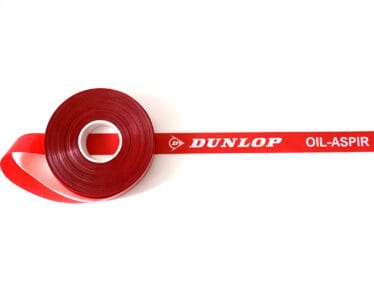
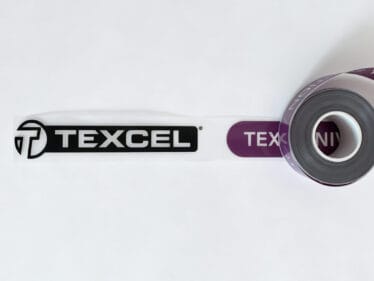
The continuous line of text and graphics running along a hydraulic hose outer surface — the layline — is not just branding. It is the primary way end users, installers, and OEM buyers identify hose specifications and confirm product compliance.
For hose manufacturers, the challenge with hydraulic hose layline printing is usually not “what to print” — but rather:
How much? In what order? What is mandatory? What could create compliance risk?
Too little information and users cannot identify the product. Too much and the layout becomes crowded, fonts shrink, and readability drops. A wrong standard code may trigger compliance issues. An incorrect pressure value could create a safety concern.
This guide covers the 8 essential items that should appear on a hydraulic hose layline, with layout recommendations and compliance reminders to help manufacturers design markings that are both professional and compliant.
1. Manufacturer Brand Name or Logo
This is the most visible element on the layline and the core of brand building.
The brand name or logo helps distributors, installers, and end users identify the product source. In competitive markets, clear and professional brand markings build trust and drive repeat purchases.
Design tips
- Use a simplified logo version optimized for hose surfaces — reduce overly fine details
- Ensure the brand name has sufficient character height for quick field identification
- If producing both own-brand and OEM products, maintain separate layline versions for each
2. Product Series or Model Number
The model number is critical for distributors and end users to quickly match replacement hoses. Including it in your hydraulic hose layline printing ensures clear product differentiation across your range.
Examples:
- 1SN / 2SN — single or double wire braid
- 4SP / 4SH — four-wire spiral
- R1AT / R2AT — SAE standard designations
The model number is critical for distributors and end users to quickly match replacement hoses.
3. Nominal Bore (DN) or Dash Size
Size information is essential on every hydraulic hose layline.
Common formats include:
- DN: DN6, DN10, DN12, DN16, DN19, DN25, DN32, DN51
- Dash Size: -4, -6, -8, -10, -12, -16, -20, -24
- Inches: 1/4″, 3/8″, 1/2″, 3/4″, 1″, 2″
- Millimeters: 6mm, 10mm, 12mm, 19mm, 25mm
Different markets prefer different formats. European markets typically use DN. North American markets prefer dash size or inches.
Tip: Consider marking both formats (e.g., “DN12 – 1/2″”) to serve users across different regions.
4. Applicable Standard Codes
Standard codes tell users which specification the hose was designed and manufactured to. Common hydraulic hose standards include:
- SAE J517 — SAE hydraulic hose standard system
- SAE 100R1AT / R2AT — single/double wire braid hydraulic hose
- EN 853 — European wire braid hydraulic hose standard (1SN/2SN)
- EN 856 — European wire spiral hydraulic hose standard (4SP/4SH)
- EN 857 — compact wire braid hydraulic hose (1SC/2SC)
- ISO 18752 — rubber hose hydraulic performance classification
- DIN — German industrial standards
Critical compliance reminders
- Only mark standards that the hose actually conforms to
- Standard codes must match the hose’s design documents and test reports
- Do not mark unverified or unauthorized standards
- Monitor standard version updates — outdated versions may have been superseded
5. Working Pressure (WP)
Working pressure is one of the most important technical parameters in hydraulic hose layline printing.
Common formats
- WP 225 BAR
- WP 3250 PSI
- W.P. 22.5 MPa
Critical considerations
- Working pressure varies by size — the same standard may specify different pressures for different DN values
- The marked pressure must match the actual design pressure and test results for that specific size
- Never apply one size’s pressure value across the entire product range
- Consider marking both units (BAR and PSI) to avoid user confusion across markets
6. Production Date or Quarter Code
Production dates enable batch traceability and inventory management.
Common formats
- Year-month: 2025-06
- Year-quarter: 2025-Q2 or 25/II
- Year-week: 2025-W24
- Custom codes: manufacturer’s internal traceability format
Depending on industry standards and customer specifications, marking a production date or date code on hydraulic hoses may be a mandatory requirement.
7. Batch or Traceability Code
Unlike date codes, batch codes are used for more granular traceability — linking to specific raw material lots, production shifts, curing equipment, and inspection records.
Common formats
- Sequential numbers (e.g., Lot: 250612-A03)
- Internal codes (e.g., B2-L5-0612)
- QR codes or barcodes (requires ink jet or laser marking in combination)
Batch code format and length are defined by the manufacturer. When layline space is limited, use short codes and link detailed information through internal databases.
8. Certification Marks (Where Applicable)
Certain markets or applications may require certification marks on the hydraulic hose layline:
- MSHA (Mine Safety and Health Administration) — mining hoses
- DNV (Det Norske Veritas) — marine and offshore hoses
- UKCA / CE — UK / European markets
- Customer-specified OEM certification marks
Strict compliance requirement
- Certification marks must have formal authorization before appearing on the layline
- Unauthorized use of certification marks is a regulatory violation
- Authorization typically includes specific usage rules (size, color, placement)
Recommended Layout Sequence
Effective hydraulic hose layline printing requires smart use of limited space — tape width and hose diameter determine how much information can fit. Overcrowding forces smaller fonts and reduces readability.
Recommended priority order
Brand Logo → Product Model → Standard Code → Size (DN/Dash) → Working Pressure → Date/Batch Code → Certification Marks
Design principles

Hydraulic hose layline printing recommended layout sequence
- Brand logo always first — it is the primary identification element
- Technical information follows — model, standard, size, pressure are the core data users need to confirm suitability
- Traceability at the end — date and batch codes support after-sales tracking but do not need instant recognition
- Certification marks in a fixed position — placed per certification body requirements
- Adequate spacing between elements — avoid crowding that reduces readability
- Minimum character height — specific height depends on tape width and hose diameter
Size-specific considerations
- Small bore (DN6–DN13): Limited space — may need to simplify content or use narrower tape
- Large bore (DN38+): More space — can include complete information
Compliance Checklist
Every item on the layline may have compliance implications. Review this checklist before finalizing your hydraulic hose layline printing design:
| Check Item | Verification Points |
|---|---|
| Standard codes | Match actual applicable standards? Current version — not superseded? |
| Working pressure | Matches design and test values for this specific size? Different DN values confirmed separately? |
| Certification marks | Formal authorization obtained? Mark usage complies with certification body rules? |
| OEM trademarks | Written trademark usage authorization from customer? |
| Size markings | DN, dash size, or inch markings correct? Matches actual bore? |
| Date / batch codes | Coding rules consistent with internal traceability system? |
The tape supplier produces according to the approved artwork. The accuracy of all technical information on the layline is the hose manufacturer’s responsibility.
A Real Layline Example
A typical hydraulic hose layline might look like this:
BRAND LOGO — EN 853 2SN — DN12 — SAE 100R2AT 1/2″ — WP 275 BAR (3990 PSI) — 2025-Q2 — Lot: A0612
This single line contains brand, standard, construction type, size (DN and inches), working pressure (BAR and PSI), production date, and batch code — seven core items presented clearly in one continuous layline. This is what professional hydraulic hose layline printing looks like in practice.
Summary
Hydraulic hose layline printing content design is not random assembly — it requires balancing brand presentation, technical compliance, and layout readability.
Eight core items — brand, model, standard, size, pressure, date code, batch code, and certification marks — form the complete content of a professional hydraulic hose layline. Arrange them by priority and verify compliance for each item.
FLLabels works with hydraulic and industrial hose manufacturers in over 15 countries, bringing extensive experience in layline content design, font optimization, and layout planning. Our design team helps you create professional, compliant hose layline marking on vulcanizable transfer tape — tailored to your brand standards and target market requirements.
Planning or optimizing your hose layline? Contact us with your brand guidelines and hose standard information for free layline design advice and sampling support.
FAQ
What information is required in hydraulic hose layline printing?
Core items include manufacturer brand, product model, applicable standard codes, nominal size (DN or dash size), and working pressure. Production date or batch codes support traceability, and certification marks (e.g., MSHA, DNV) may be mandatory in specific markets or industries. Including all relevant items ensures your hydraulic hose layline printing meets both customer expectations and compliance requirements.
Should working pressure be marked in BAR or PSI?
It depends on the target market. European markets typically use BAR; North American markets use PSI. Many manufacturers mark both units (e.g., “WP 275 BAR / 3990 PSI”) to serve users across regions. The marked value must match the actual design pressure and test results for that specific hose size.
How do I ensure standard codes on the layline are compliant?
Only mark standards the hose actually conforms to. Ensure standard codes match design documents and test reports. Monitor version updates — outdated standards may have been replaced. Never mark unverified or unauthorized standards. All hydraulic hose layline printing technical content accuracy is the hose manufacturer’s responsibility.
What if there is not enough layline space on small-bore hydraulic hoses?
Small-bore hoses (DN6–DN13) have limited layline space. Simplify content — keep brand, standard, size, and pressure as priorities. Shorten batch codes to brief alphanumeric codes. Adjust tape width and font design to optimize space while maintaining readability.