Hose Label Peeling After Vulcanization: How One Industrial Hose Factory Stopped Rework
Hose label peeling during vulcanization forced an industrial hose factory to scrap thousands of meters monthly. See how a supplier switch stopped the defects.
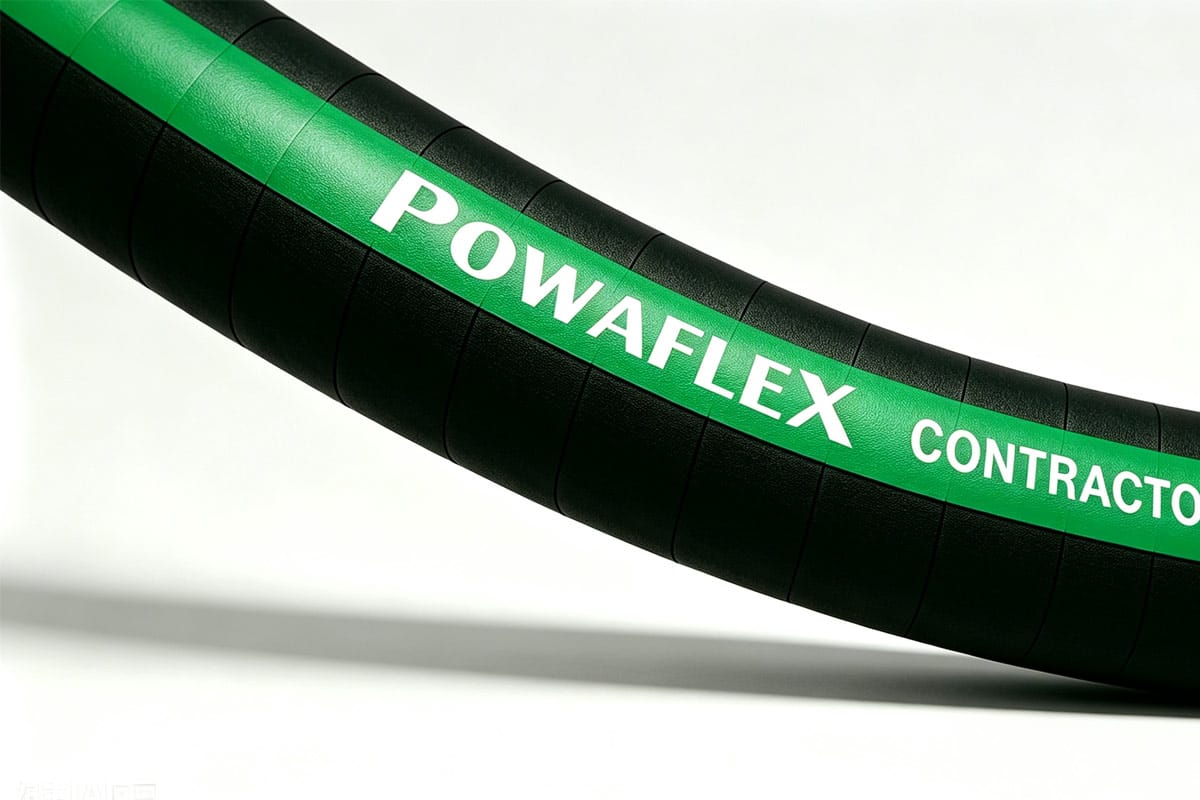
Hose label peeling after curing was costing this Gujarat industrial hose plant thousands of meters every month. The factory builds air hose, low-pressure hydraulic hose, and agri hose for Middle East and Africa buyers. The plant is mid-size—under 200 people—but export inspection still checks every marking closely. When they contacted FLLabels, they were not “optimizing.” Their previous label supplier had already failed on the line.
- Industry: Rubber Hose Manufacturing
- Application: Vulcanization Label Quality & Supplier Switch
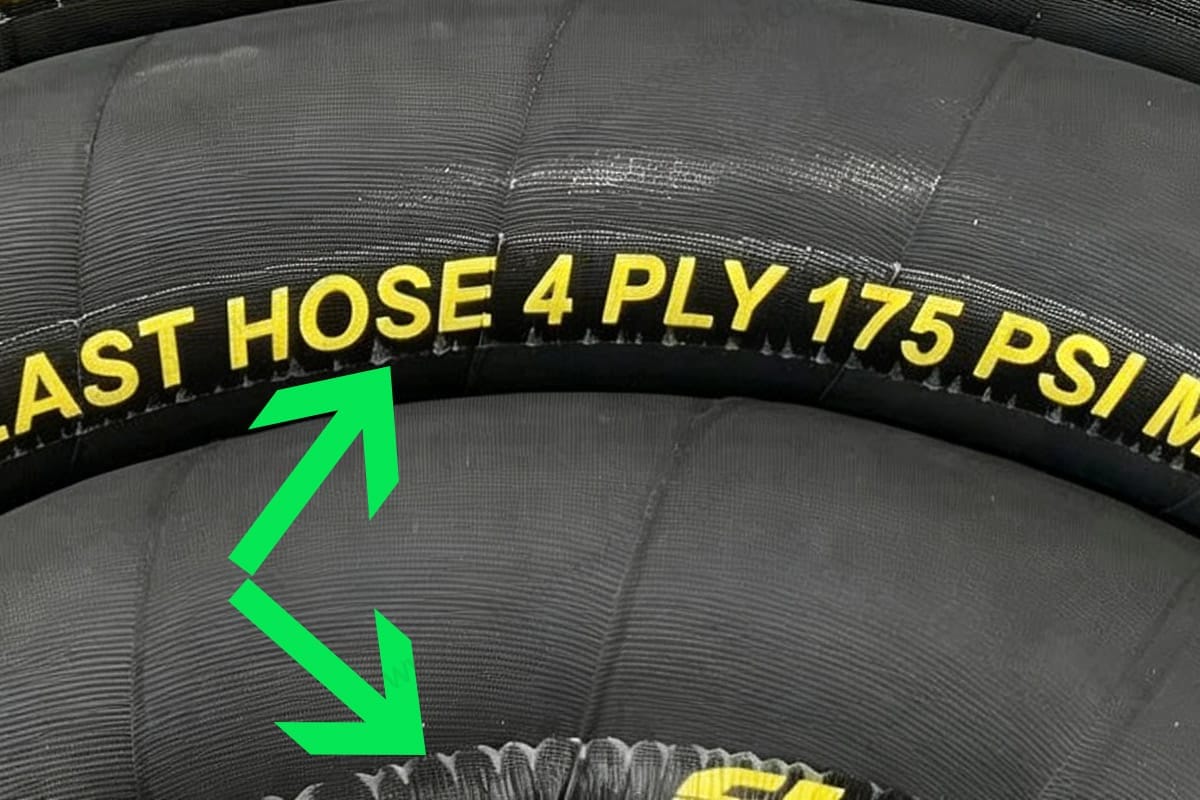
Where the Failures Showed Up
One platen press line runs mixed compounds: mainly NBR and CR cover stock, curing near 150°C for 60–90 minutes. Labels were applied before wrapping, then cured with the hose. After film peel, defects stacked up in QA and packing:
- Label edges lifted; some corners flipped open
- Black or red print faded and rubbed off by hand
- Occasional full transfer failure—the design stayed on the film instead of on the hose
- QA pulled rejected lots back to the marking station each week
- Purchasing estimated 4,000–6,000 meters lost monthly to marking scrap, not counting labor
They tried shorter cure and lower temperature. Hose physical properties suffered, so that path closed quickly. Rework also slowed shipping calendars during peak export weeks. The conclusion was clear: label materials did not match compound and cure profile, and mixed covers made one generic transfer film impossible to trust.
Testing Before the Switch
We asked for three things first: a short cover compound note, the vulcanization curve, and three failing label samples from the old supplier. The goal was not a catalog match—it was a process match.
Lab and Line Validation
- Lab simulation at 150°C × 90 minutes comparing old labels with our transfer film
- A 200-meter trial shipment run on 300 meters of real production hose
- Separate peel and rub checks on NBR and CR covers after cooldown
CR air hose failed more often than NBR hose, so we issued two ink packages—one for NBR, one for CR—no shared stock on those two lines. Widths matched existing artwork at 15 mm and 25 mm so operators did not need new fixtures.
What Changed After Conversion
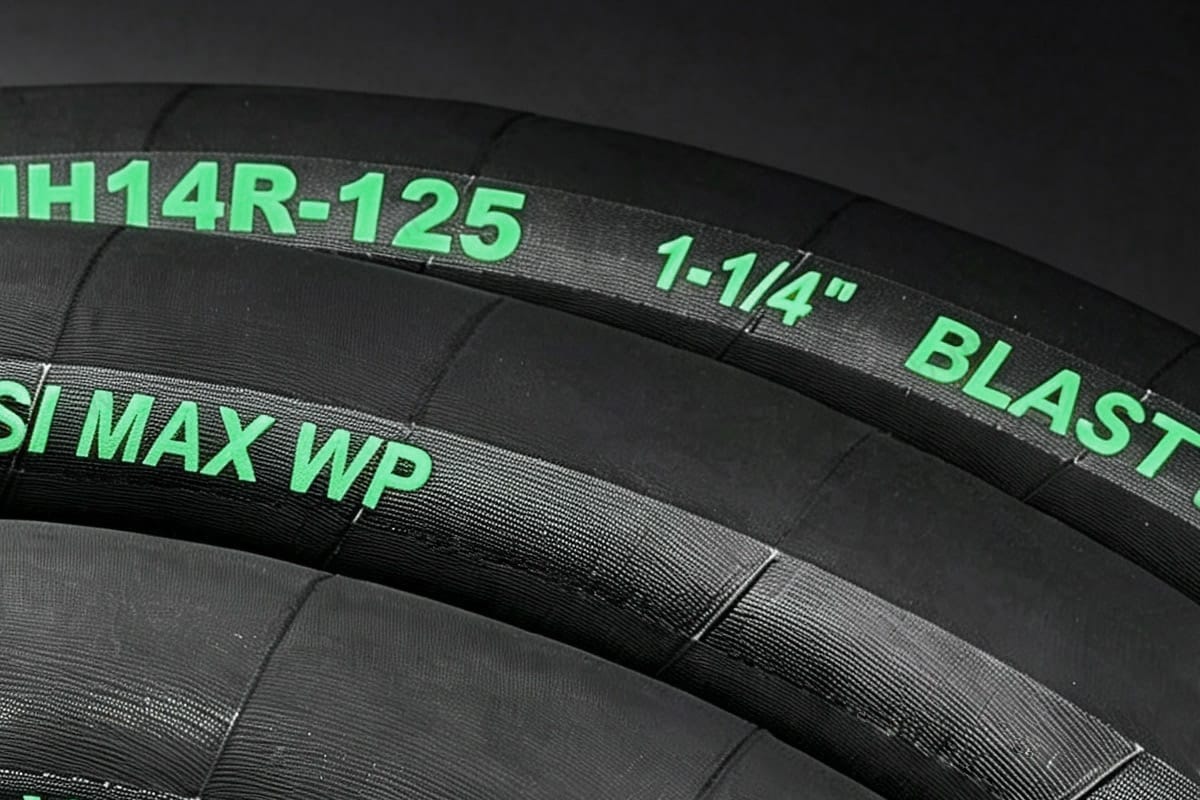
All 300 trial meters passed. The first production cut was 10,000 meters; then monthly repeat orders followed. Purchasing later wrote that QA stopped fighting over labels and could focus on hose dimensions and test certificates again.
- Six weeks of volume runs with no batch peel or mass color loss
- Clean film removal—operators stopped scraping residue with blades
- Separate formulations for NBR and CR ended mixed-cover mistakes
- Marking scrap fell to a level purchasing no longer tracks as a KPI
Monthly usage is about 8,000–12,000 meters of labeling film. They later referred two neighboring hose plants for trials—the kind of referral that matters more than advertising in a cluster market. For this plant, stopping hose label peeling also reduced argument between production and quality each morning shift.
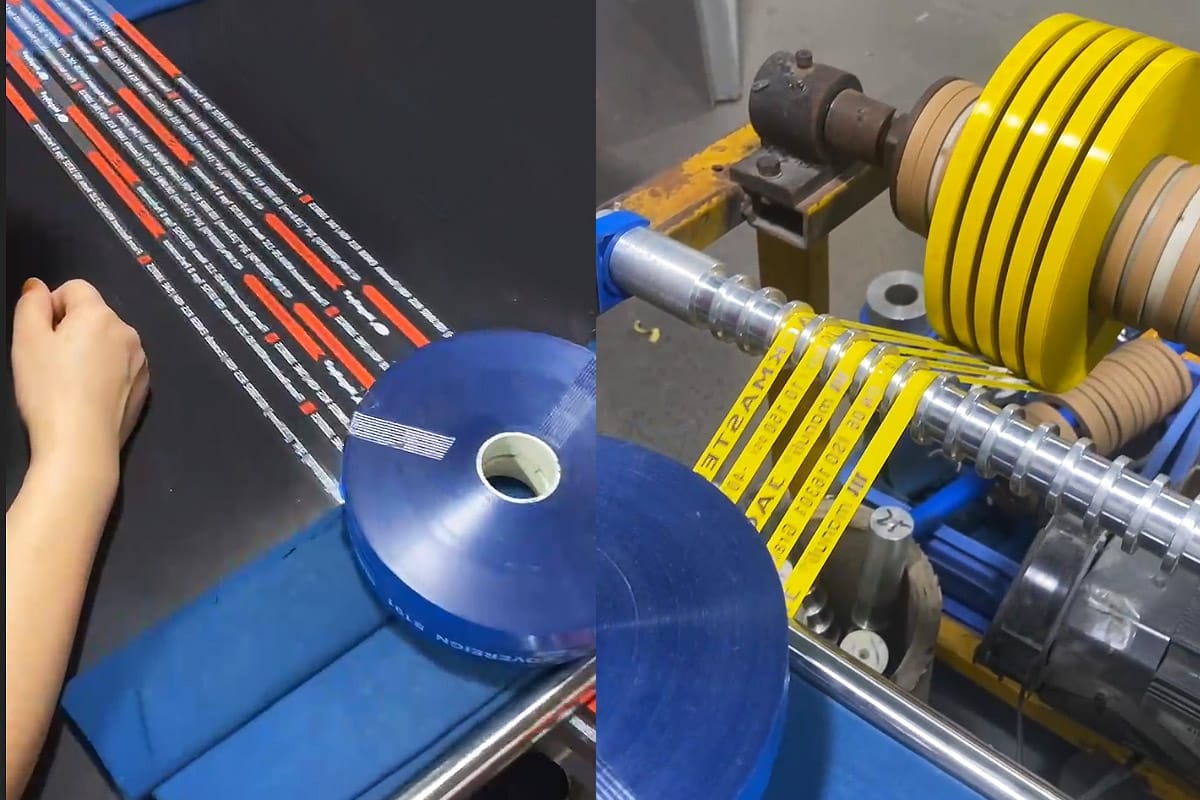
Who This Case Is For
- Hose factories seeing edge lift, color loss, or incomplete transfer after curing
- Plants running multiple compounds (NBR, CR, EPDM) on one line and needing matched labels
- Buyers evaluating a China supplier with a real production trial before a full switch
If hose label peeling is your main complaint, send compound type and cure temperature. We can ship a production trial roll for you to run on your own press. Failed samples under agreed conditions do not become paid stock.