Layline Transfer Tape for Hydraulic Hose Factories: Stronger Single-Color Marking After Cure
Layline transfer tape case study: a hydraulic hose factory fixed pale print and edge peeling on yellow/black laylines after 145–155°C vulcanization. Free samples available.
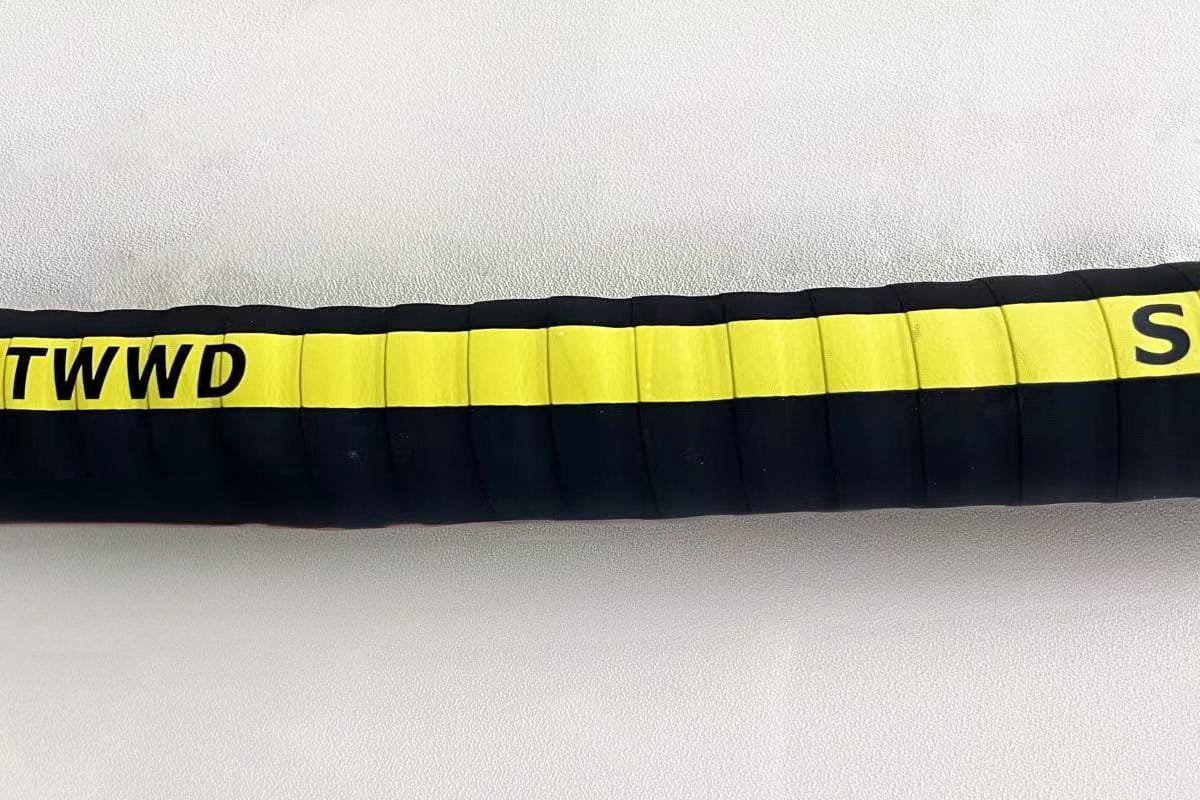
A Turkish hydraulic hose factory came to us for one clear reason: their layline transfer tape could not survive steam vulcanization. The plant runs roughly 800,000 meters of hydraulic hose each month for European OEM buyers. Steam curing sits at 140–155°C for 90–100 minutes. Most of their marking is single-color layline—yellow film with black text on black NBR covers—so contrast and clean peel matter more than flashy multi-color artwork.
- Industry: Hydraulic Hose Manufacturing
- Application: Single-Color Layline Marking During Vulcanization
Production Problems on the Line
They were buying layline film through a local trader. Price looked fine on paper. On the line, the opposite was true. Defects showed up at film peel and at final visual inspection, when hoses were already cured and coiled.
- Yellow bands looked uneven after curing; black text appeared thin or incomplete on black NBR cover
- Edges lifted after film removal; a fingernail could peel the mark
- Opacity varied from roll to roll, so one coil looked “loud” and the next looked pale
- Artwork changes for a new OEM size line still took 2–3 weeks
- Roughly 2,000–3,000 meters of finished hose went back for rework every month
Purchasing first blamed operators and wrapping tension. After comparing competitor samples side by side, the technical team concluded the film and ink package did not match their vulcanization curve. Changing cure time or temperature was not an option—hose burst and adhesion specs were already locked for those OEM accounts.
How We Matched Their Process
FLLabels did not push stock rolls. We asked for the current cure chart, cover compound type, and three failed samples from the old supplier. Then we ran small samples against their exact cure window before any commercial order, focusing on the yellow/black layline they actually ship.
- Trial rolls in 10 mm, 12 mm, and 18 mm layline transfer tape
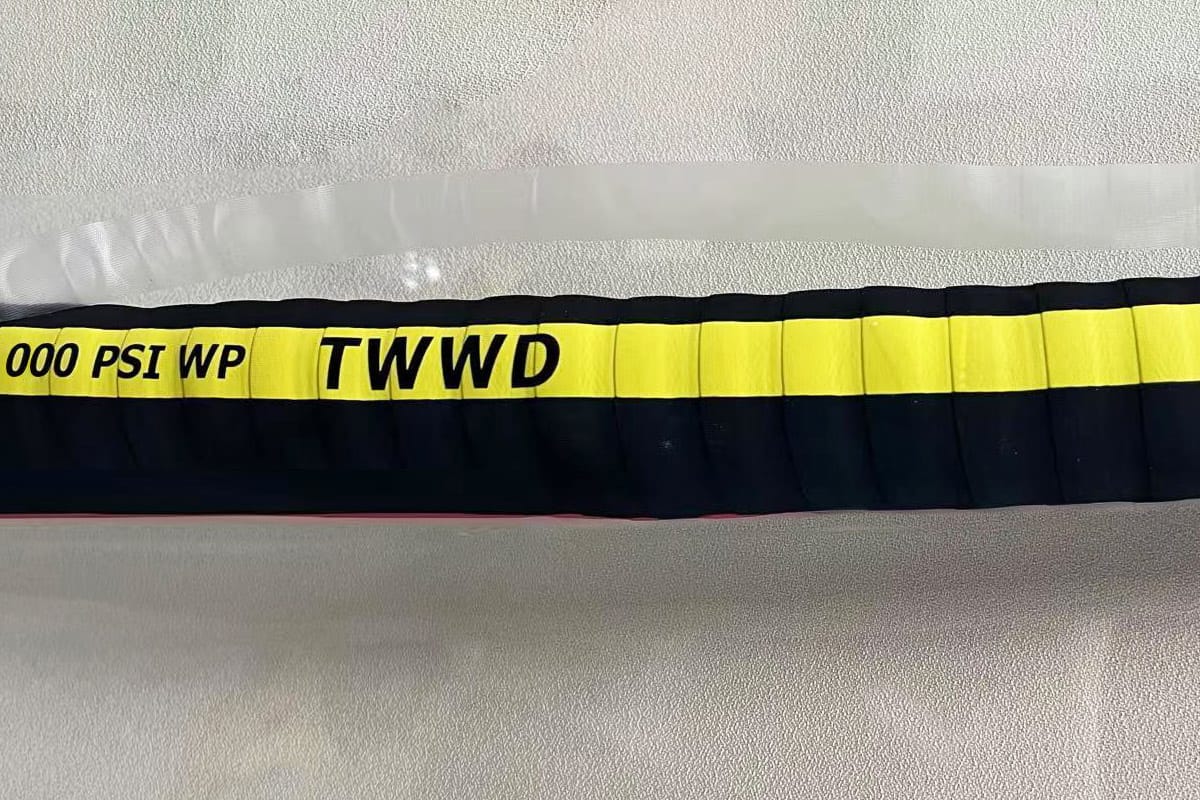
- Ink matched for 145°C × 90 minutes steam curing, with solid black print on yellow carrier and clear opacity after transfer onto black NBR
- Carrier film stayed intact during cure and peeled clean—no sticky residue
- Single-color transfer in one pass, suitable for high-volume hydraulic hose marking
- MOQ from 100 meters; new artwork usually ships in 5–7 working days
Their production manager had one non-negotiable ask: do not change wrapping cloth, cure time, or press settings. The sample met that condition. Operators marked hoses the same way as before, so training time stayed close to zero.

Results After Launch
The first 5,000-meter trial passed bend, scratch, and alcohol wipe checks. QA also compared coil-to-coil contrast against the approved artwork panel used for export packing. Three follow-up OEM lots cleared visual inspection without marking-related reclaim.
- Layline scrap related to marking dropped from about 3% toward near zero
- Yellow bands stayed even; black text remained readable on black covers under warehouse light
- OEM size-line artwork changes became fast enough to take rush jobs
- Rework loops between curing and packing were reduced, which freed one marking station per shift
Today the factory keeps a steady monthly call for 12 mm and 18 mm widths in yellow/black. White-on-black variants are used on selected export SKUs when customers want higher contrast without changing the curing setup.
Who This Case Is For
- Hydraulic hose plants that mark mainly with single-color layline (yellow/black or white/black)
- Factories curing at 150–180°C on steam autoclave or platen presses
- Teams replacing a weak layline supplier after pale print, incomplete transfer, or edge peel
If your line has weak contrast or edge lift on yellow or white layline after curing, send us rubber type, cure temperature, and hose OD. We can prepare a free trial roll of layline transfer tape under your vulcanization conditions. Multi-color layline is available for OEM coding when needed, but this plant solved its scrap issue with a correctly matched single-color package.