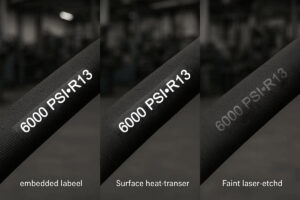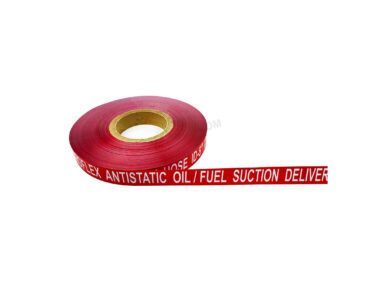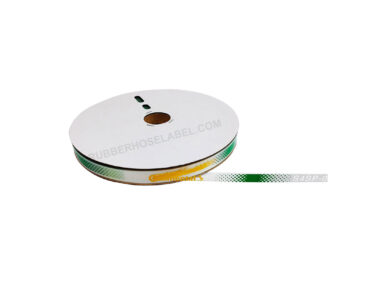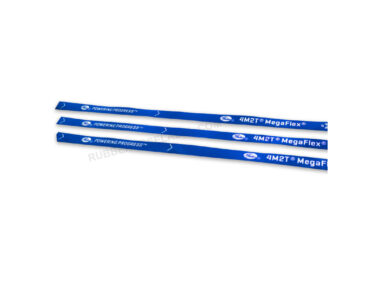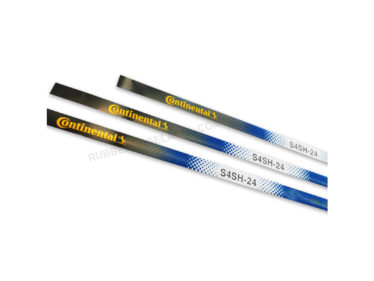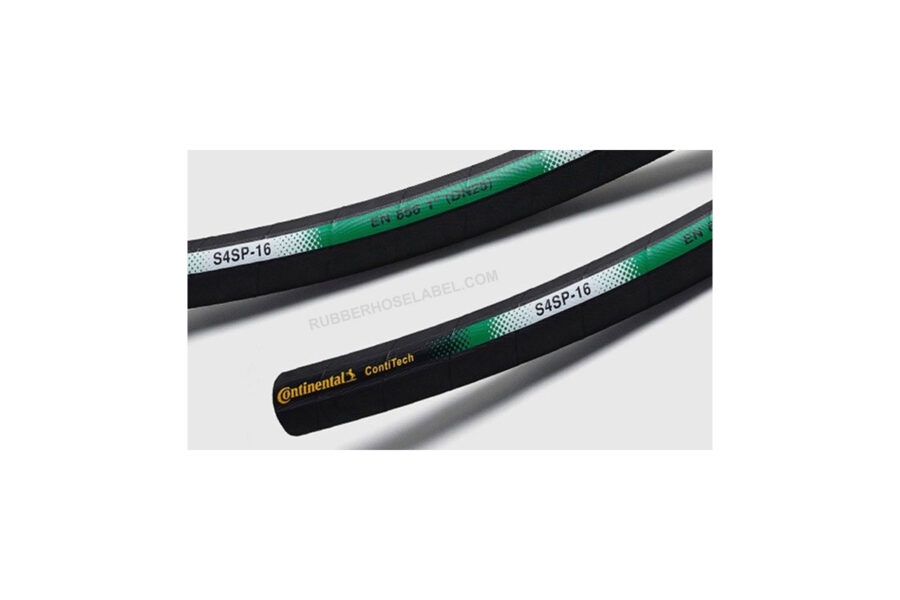
In the competitive rubber hose market, the quality of your marking reflects the quality of your product. A faded, unreadable layline suggests a cheap hose.
Many manufacturers are switching from traditional embossing and inkjet to Transfer Tape (Vulcanization Transfer Film). But why? Is it worth the investment?
Here are the top 5 reasons why transfer tape is the superior choice for hose marking.
1. Unmatched Durability
Transfer tape markings are not surface-level; they are molecular. They resist:
- Hydraulic oils and greases
- Gasoline and solvents
- Extreme abrasion (dragging on concrete)
- UV radiation and weathering
2. High Contrast Visibility
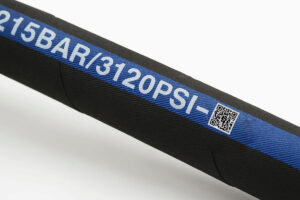
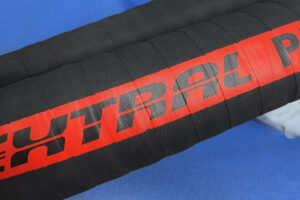
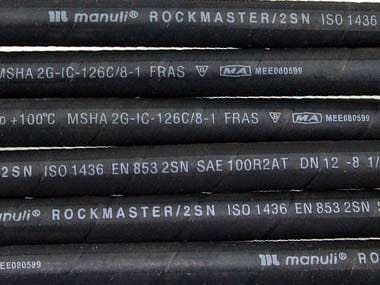
Embossing is permanent but hard to read (black on black). Transfer tape allows for bright white, yellow, or red branding on black rubber. This high contrast is vital for safety warnings and technical specifications (PSI/Bar ratings).
3. “Zero-Profile” Finish
Unlike a sticker that adds thickness or an embossed mark that changes the surface texture, transfer tape creates a flush, smooth finish. This prevents the label from snagging on equipment or peeling up at the edges.
4. Inventory Traceability
Modern transfer tapes can carry variable data, including QR codes, Datamatrix codes, and sequential serial numbers. This enables digital tracking of every hose assembly from the factory to the field—something embossing cannot do.
5. Brand Protection
Cheap hoses often use generic markings. A custom-designed, full-color transfer label is difficult to counterfeit, instantly distinguishing your premium product from low-cost competitors.
Conclusion
While inkjet is cheaper and embossing is traditional, neither offers the combination of durability, visibility, and data capability that Transfer Tape provides.
For manufacturers aiming for the premium segment, transfer tape is not just a marking method—it’s a value-added feature.
Get a Quote for Transfer Tape
Ready to improve your hose marking? We supply custom-printed transfer tapes globally. Get a quick quote today!