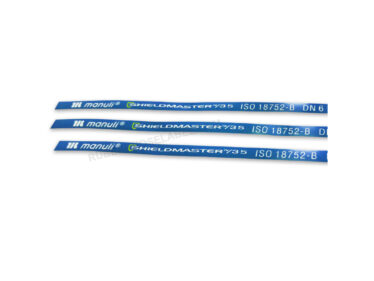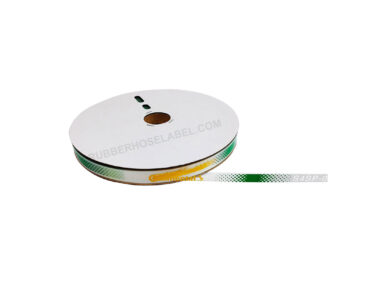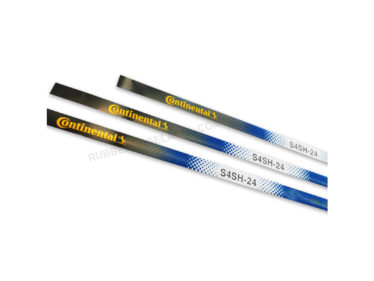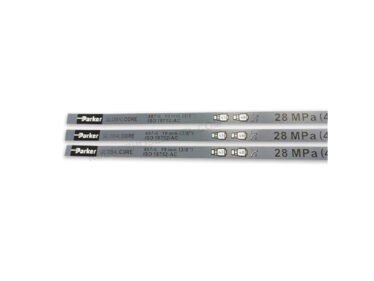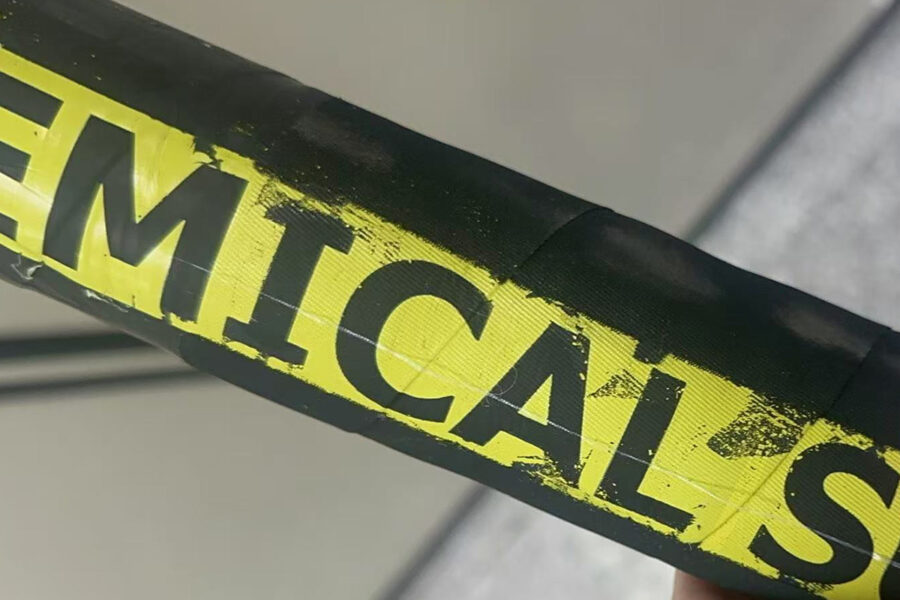
There is nothing more frustrating in rubber manufacturing than finding your brand label has failed. Whether it is distorted or fading, **rubber transfer label peeling** is a sign of a rejected hose and costly rework.
If you are experiencing issues with vulcanization transfer printing, you are not alone. Here are the 3 most common reasons why transfer labels fail and how to troubleshoot them.
Mistake #1: Insufficient Pressure (The Nylon Tape Factor)
The Symptom: The label looks faint or has air bubbles.
The Cause: If the nylon cure tape is wrapped too loosely, the ink won’t be forced into the rubber matrix.
The Fix: Ensure your automated wrapping machine maintains high tension.
Mistake #2: Incompatible Ink Formulations
The Symptom: The label transfers but cracks when bent.
The Cause: Not all rubber is the same. If the ink doesn’t match the rubber’s chemistry (EPDM vs. NBR), **rubber transfer label peeling** will occur.
The Fix: Use transfer films formulated for your specific rubber type.
Mistake #3: Contamination on the Surface
The Symptom: The label lifts at the edges.
The Cause: Oil or anti-tack powder on the green rubber prevents bonding.
The Fix: Ensure the application area is clean and dry.
Conclusion
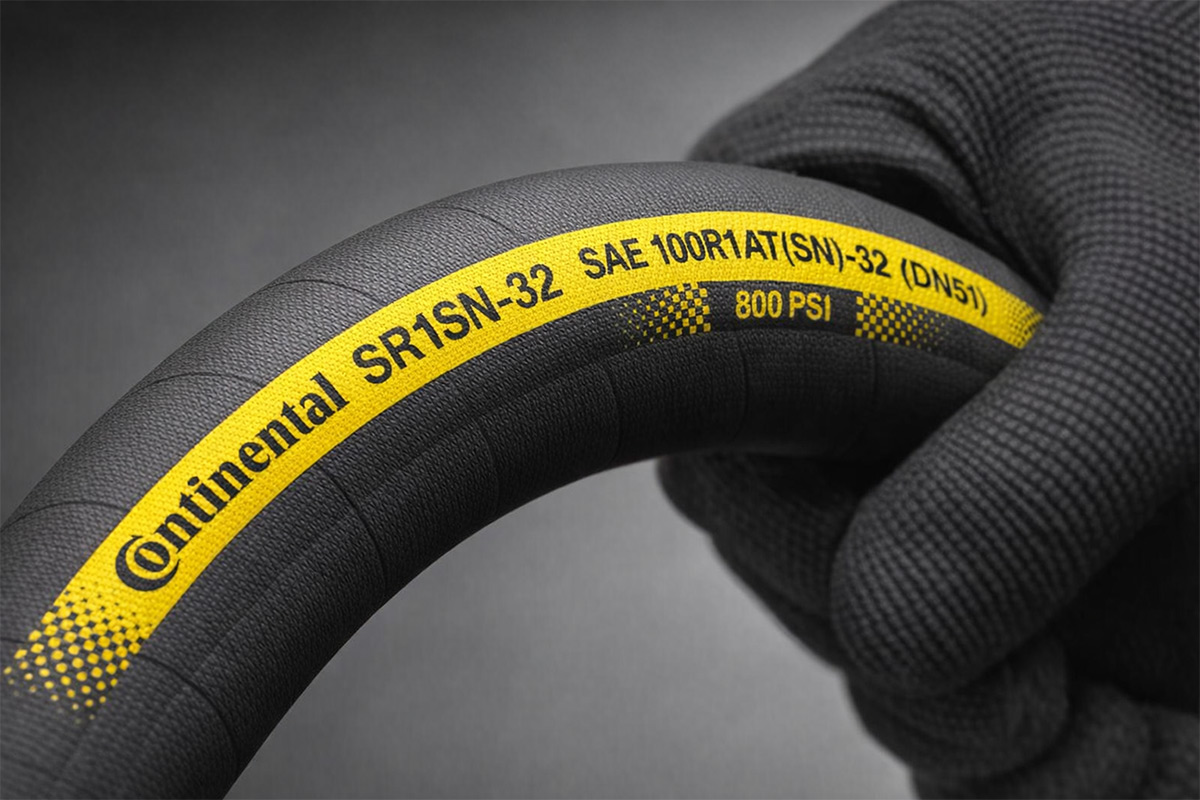
Stop troubleshooting and start producing. Switch to a transfer label that works every time to eliminate **rubber transfer label peeling** issues.
Solve Your Labeling Issues Today
Tired of rejected hoses?
Our technical team can analyze your problem. Request a free consultation now.