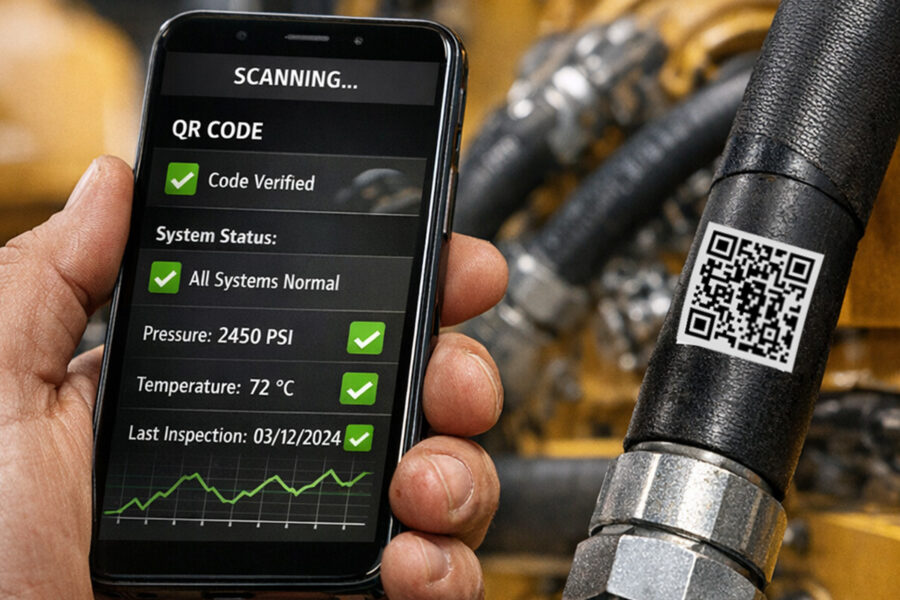
In the era of Industry 4.0, manufacturing is no longer just about making a product; it is about data. For manufacturers and end-users, hydraulic hose traceability has become a critical requirement for safety compliance and asset management.
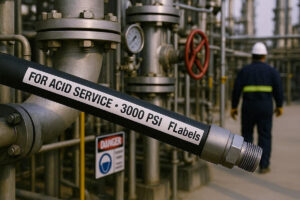
Traditional identification methods like metal tags or hanging tickets often get lost or damaged in harsh environments. The solution? Permanent vulcanized QR codes and barcodes.
This article explores how integrating digital tracking into your vulcanization process can revolutionize your business.
Why Hydraulic Hose Traceability Matters
Traceability is the ability to track a hose assembly through its entire lifecycle. Why is this so important?
- Safety & Maintenance: A quick scan can reveal when a hose was made, preventing catastrophic failures.
- Anti-Counterfeiting: Unique serial numbers prove that the hose is a genuine OEM part.
- ISO Compliance: Many industries now strictly require permanent identification.
The Technology: Vulcanized QR Codes
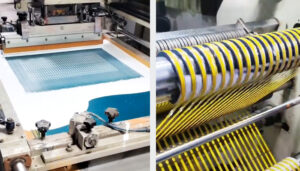
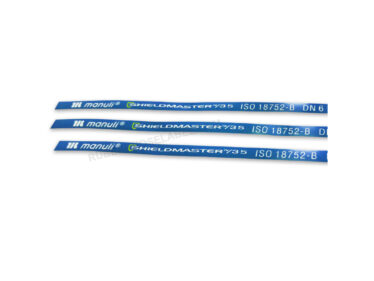
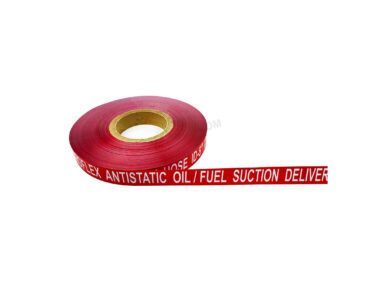
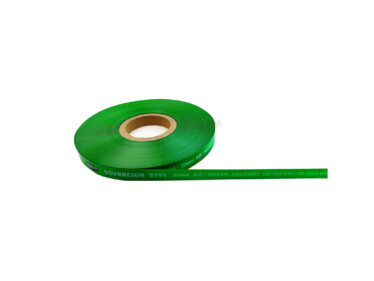
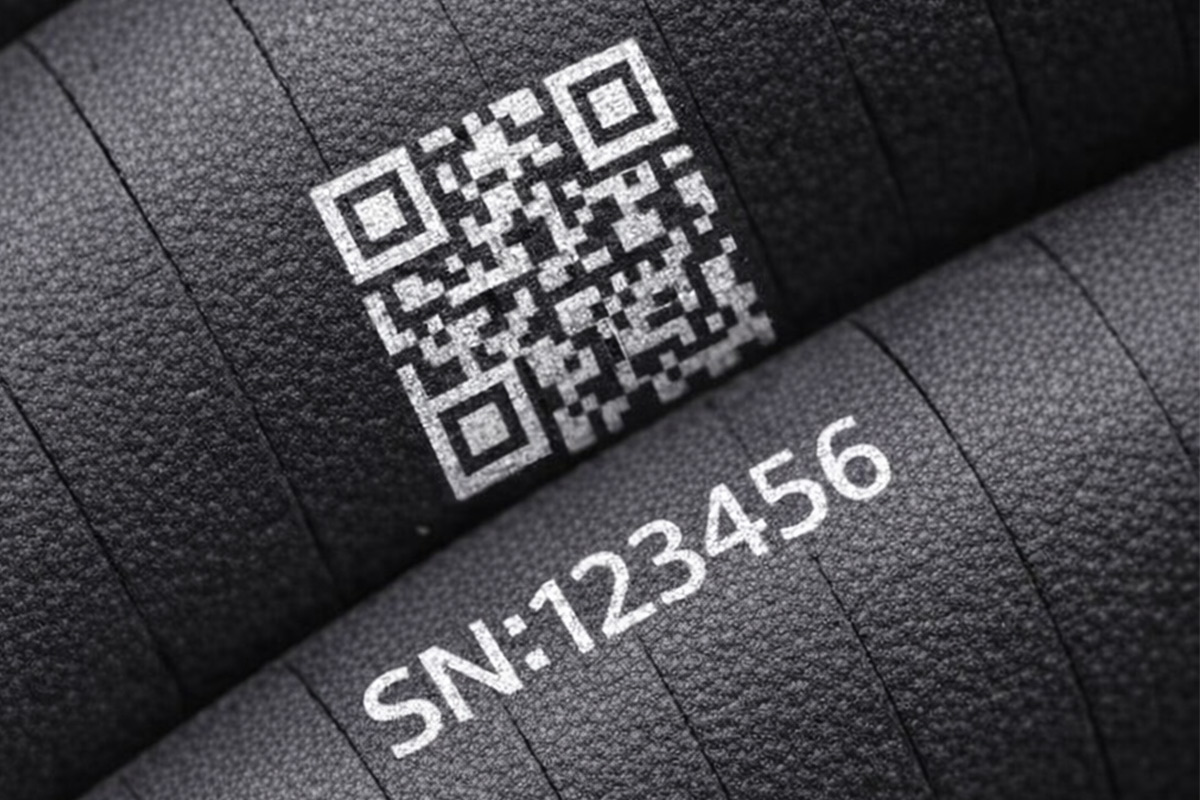
The challenge has always been putting a scannable code on rubber that flexes. The answer is Vulcanization Transfer Printing.
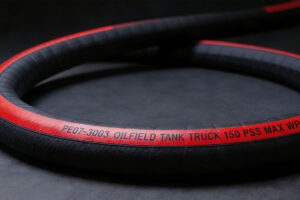
This method embeds the data matrix directly into the rubber surface, ensuring hydraulic hose traceability lasts as long as the hose itself.
Key Advantages:
- Zero Profile: The label is flush with the hose. It won’t snag like a metal tag.
- High Contrast: High-opacity white ink on black rubber ensures readability.
- Indestructible: Resists abrasion, hydraulic oil, and UV light.
Conclusion
Hydraulic hose traceability is the future standard. By adopting permanent vulcanized transfer labels, you offer your customers safety, reliability, and digital intelligence.
Ready to Smart-Tag Your Hoses?
We specialize in variable data transfer films. Contact our team for a custom solution.