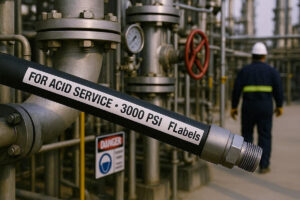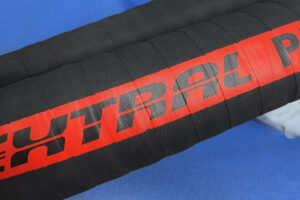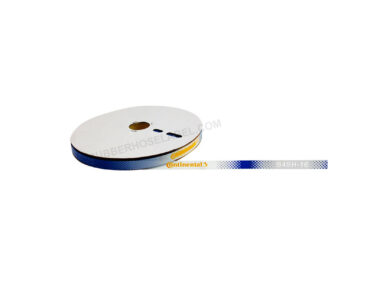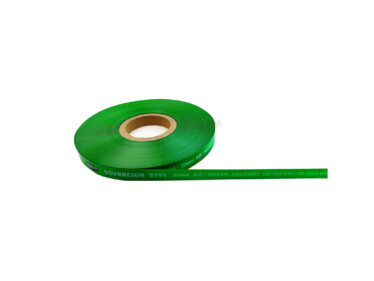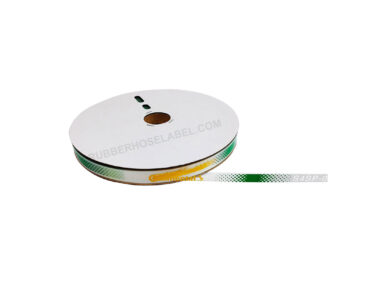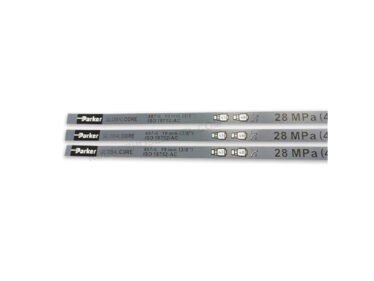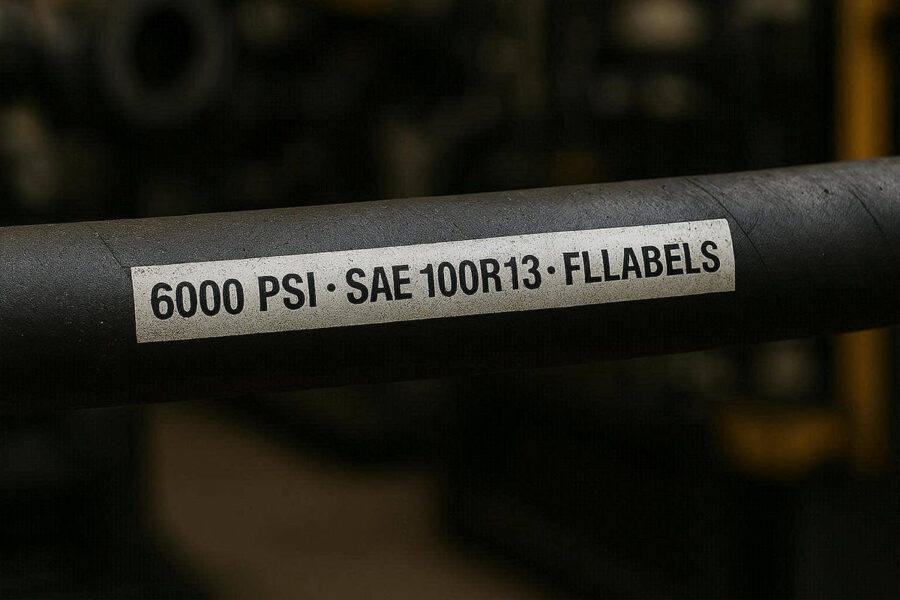
If you manufacture or maintain hydraulic systems, permanent hydraulic hose labeling are essential for safety, efficiency, and compliance. This guide covers industry best practices for material selection, placement, durability, and traceability—based on 20+ years of experience serving OEMs like Parker and Gates.
Misidentified hydraulic hoses cause 30% of field failures—from wrong pressure ratings to fluid incompatibility. Yet many plants still rely on handwritten tags, vinyl stickers, or low-contrast printing that fades within months.
In this article, you’ll learn:
- Why standard labels fail in hydraulic environments
- The 3 non-negotiable features of a high-performance hydraulic hose label
- Optimal placement to maximize readability and longevity
- How to meet IATF 16949 and ISO compliance
- Real ROI from automotive and industrial clients
Why Hydraulic Environments Demand Specialized Labels
Hydraulic hoses operate under extreme conditions:
- High pressure (up to 6,000+ PSI)
- Hot oil exposure (up to 120°C continuous)
- UV and ozone degradation (outdoor equipment)
- Abrasion from moving parts and vibration
Standard vinyl or paper labels delaminate within weeks. Even “industrial-grade” heat-transfer films can smear when exposed to hydraulic fluid.
3 Non-Negotiable Features of a High-Performance Hydraulic Hose Label
1. Vulcanizable Material (For Cured Hoses)
If your hoses are made via rubber curing (EPDM, NBR), vulcanizable labels are the gold standard. They fuse with the hose wall during curing, becoming a permanent part of the product—immune to peeling, even after years of high-pressure cycling.
2. High-Contrast, Fade-Resistant Ink
Use black-on-white or white-on-black printing with UV-stable, oil-resistant ink. At FLLabels, we use imported inks that pass 1,000+ hours of QUV accelerated weathering testing.
3. Strategic Placement
Never place labels near fittings or bends. Instead, apply them to the middle third of the hose, where movement and abrasion are minimal. Ensure the label is visible from the operator’s normal viewing angle.
What to Include on Your Hydraulic Hose Label
A well-designed label should convey critical information at a glance:
- Hose type (e.g., SAE 100R13, EN 856 4SP)
- Pressure rating (e.g., “6,000 PSI WORKING”)
- Fluid compatibility (e.g., “FOR PETROLEUM-BASED FLUIDS”)
- Manufacturer logo (brand trust)
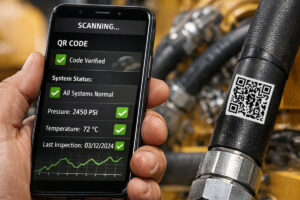
- Batch or traceability code (for recalls/warranty)
- Installation date (optional, for maintenance)
Compliance & Certification Requirements
For automotive and heavy equipment OEMs, labels must support quality standards:
- IATF 16949: Requires full traceability (batch codes, curing parameters)
- ISO 9001: Consistent print quality and material control
- OSHA/ANSI Z535: Safety warnings (e.g., “HIGH PRESSURE – DO NOT MODIFY”)
FLLabels is ISO 9001 certified and provides full documentation for IATF audits.
Real-World Impact: Case from an Automotive OEM
A Tier-1 supplier for European trucks switched from heat-transfer to FLLabels’ vulcanizable solution for engine compartment hoses. Results after 12 months:
- ✅ 22% reduction in field service calls due to misconnections
- ✅ Passed IATF 16949 audit with zero non-conformities on labeling
- ✅ Improved brand perception with crisp, permanent logos
“Technicians can now identify replacement specs in seconds—even in oily, dark engine bays,” said their quality director.
Best Practices Summary Table
| Aspect | Best Practice | Avoid |
|---|---|---|
| Material | Vulcanizable (for cured hoses) or high-adhesion transfer | Paper, vinyl, or low-grade films |
| Color | High-contrast (white-on-black or black-on-white) | Low-contrast (gray on black, yellow on white) |
| Placement | Middle of hose, away from fittings | Near bends, clamps, or high-abrasion zones |
| Data | Pressure, type, batch, logo | Handwritten or incomplete info |
Frequently Asked Questions (FAQ)
Can vulcanizable labels be used on thermoplastic hydraulic hoses (e.g., PA, PU)?
No—vulcanizable labels require rubber curing. For thermoplastic hoses, we recommend our high-adhesion transfer labels, which bond well to smooth surfaces.
Do you support SAE and EN hose standards?
Yes. We pre-format labels for SAE 100R series, EN 853/856, ISO 1436, and more. Just specify your standard.
How long do the labels last?
In typical industrial use, 10+ years. We’ve tested labels on hoses in mining equipment for 8 years with no degradation.
Get Your Custom Hydraulic Hose Label Solution
Don’t risk downtime or safety incidents. Request free samples tailored to your hose type, fluid, and environment.