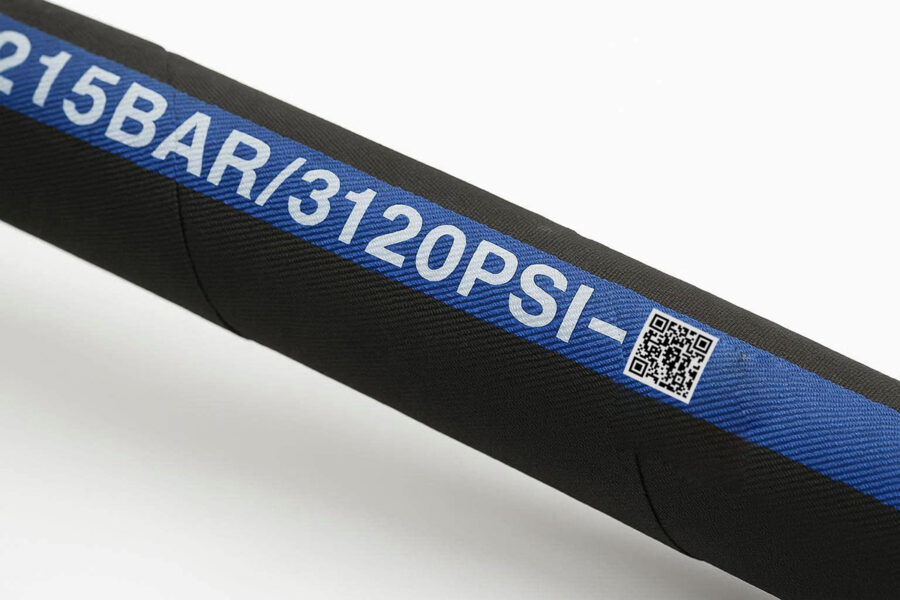
Hydraulic hoses operate in some of the most demanding environments on earth. They are exposed to high pressure, abrasive surfaces, hydraulic oil, and extreme weather. In these conditions, a missing or unreadable label is not just an inconvenience—it is a safety risk.
For manufacturers, choosing the right identification method is critical. You need a solution that complies with SAE and ISO standards while maintaining brand visibility.
So, what is the best marking method for hydraulic hoses? In this guide, we compare the top three technologies: Inkjet, Embossing, and Vulcanized Transfer Labels, to help you decide.
1. Inkjet Printing (Laylines)
Inkjet printing is commonly used for continuous “laylines” on long-length hoses. While it is fast and cheap, it has significant drawbacks for premium branding.
- Pros: High-speed application, low cost per meter.
- Cons: Poor durability. Inkjet sits on the surface. Friction and oil contact will eventually wipe the information away. It also fades under UV exposure.
2. Embossing (Mold-in)
Embossing creates a raised or recessed mark on the rubber surface during the curing process. It is a traditional method for permanent marking.
- Pros: Permanent; cannot be wiped off.
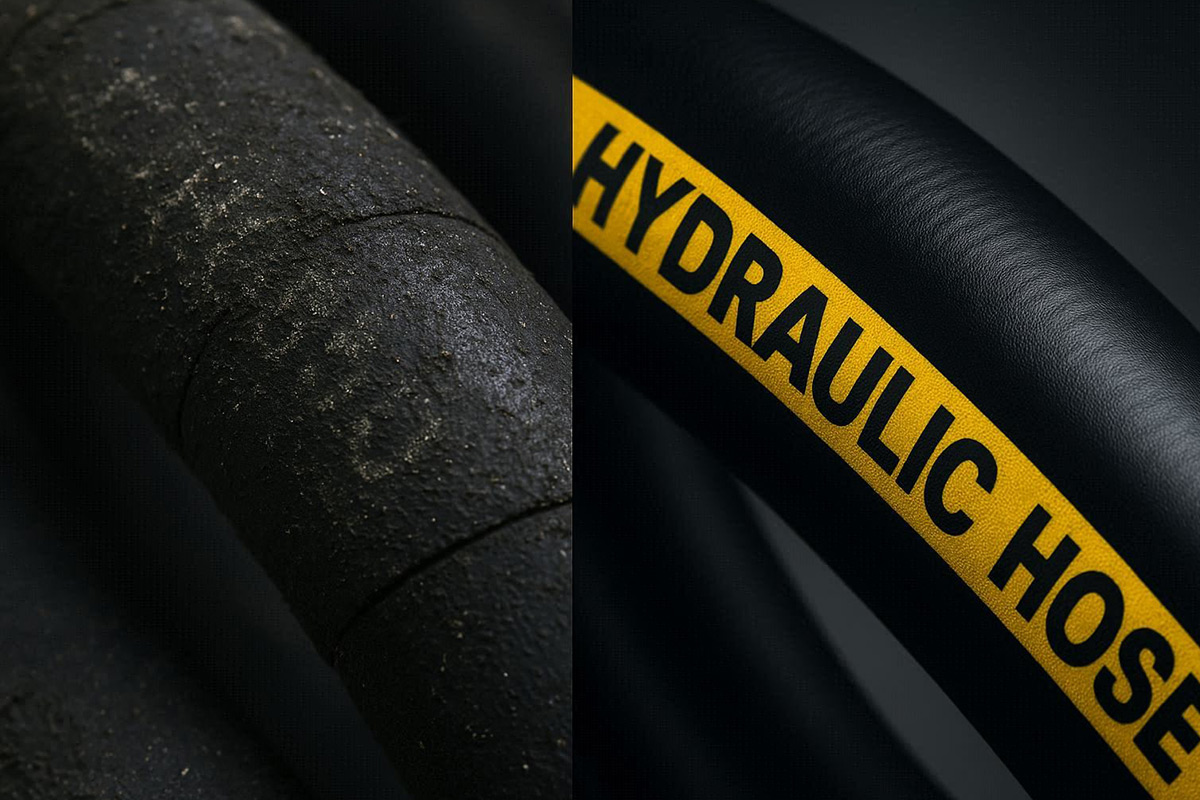
- Cons: Poor visibility. Since the mark is the same color as the hose (black on black), it is difficult to read in low-light environments. It also limits your ability to display complex logos or barcodes.
3. The Winner: Vulcanized Transfer Labels
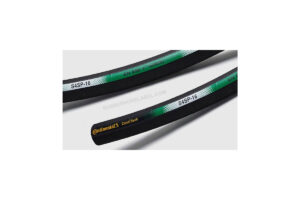
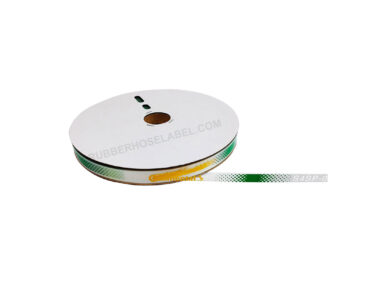
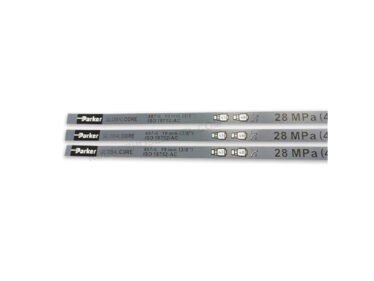
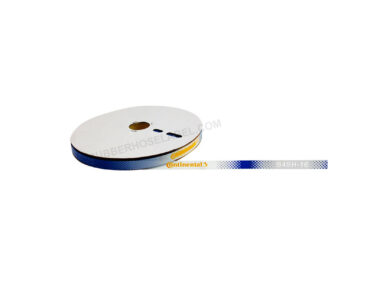
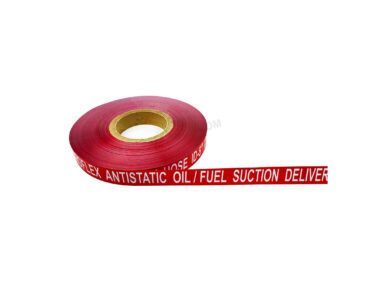
For high-performance hydraulic hoses, Vulcanization Transfer Printing (using PP release film and Nylon Cure Tape Fixing) is widely considered the best marking method today.
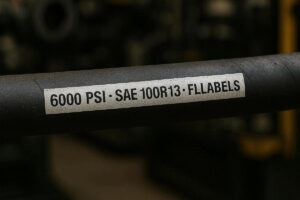
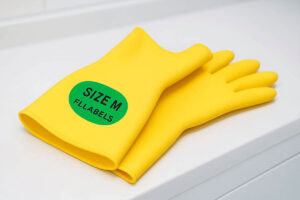
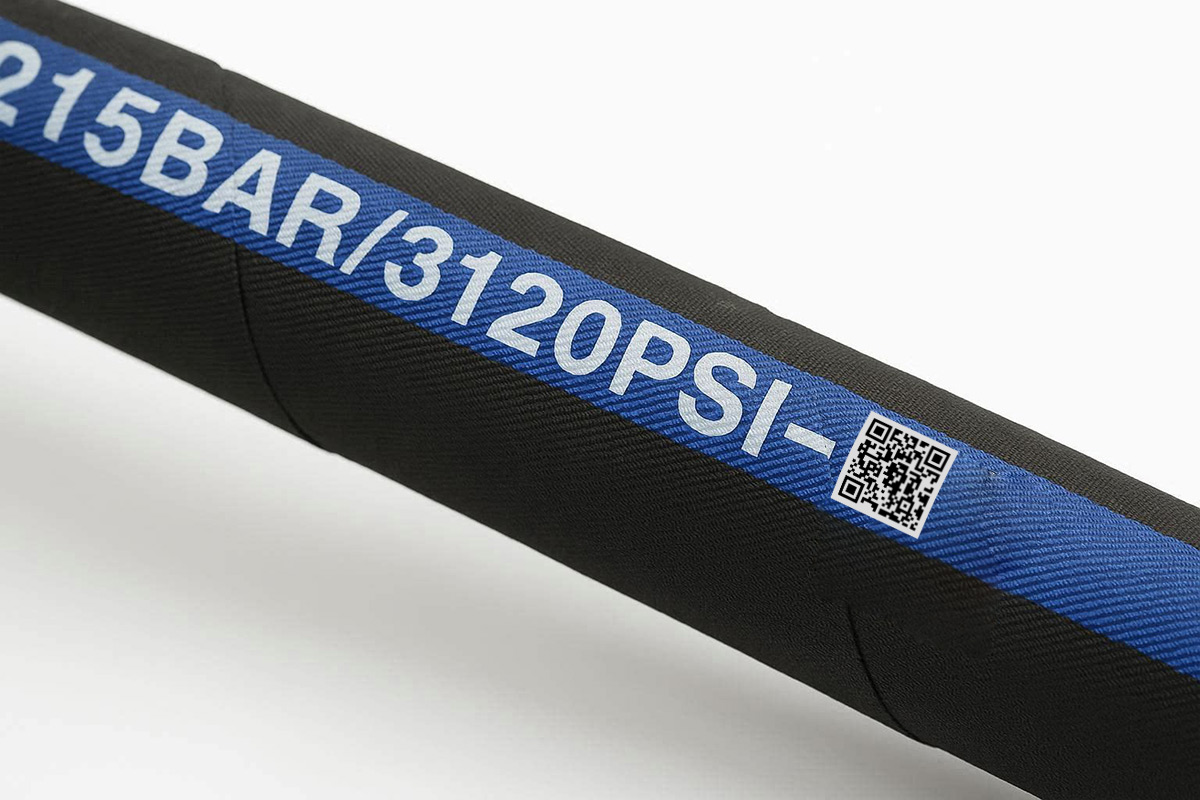
This method applies a pre-printed label onto the uncured rubber hose. During the vulcanization process, the ink chemically bonds with the rubber, becoming an integral part of the hose wall.
Why it is the “Best” Method:
- Permanent Bond: Unlike inkjet, the label fuses with the rubber. It will not peel off even if the hose is dragged across concrete.
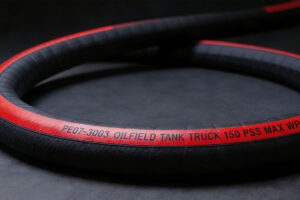
- High Visibility: Unlike embossing, you can use bright colors (Yellow, White, Red) on a black hose. This makes safety specs (PSI, Bar) easy to read from a distance.
- Traceability: This is the only durable method that supports QR codes and Barcodes for digital inventory tracking.
- Chemical Resistance: The cured label is resistant to hydraulic fluids, solvents, and fuel.
Conclusion: Which Method Should You Choose?
If you are manufacturing generic, low-cost hoses, inkjet laylines may suffice. However, for premium hydraulic hoses where safety, brand reputation, and traceability matter, Vulcanized Transfer Labels are the superior choice.
They combine the permanence of embossing with the high visibility of printing, giving you the best of both worlds.
Upgrade Your Hose Marking Today
Want to switch to the best marking method?
We supply high-quality Rubber Hose Label Transfer Films compatible with Nylon Cure Tape processes. Request a free sample kit to test the durability yourself.