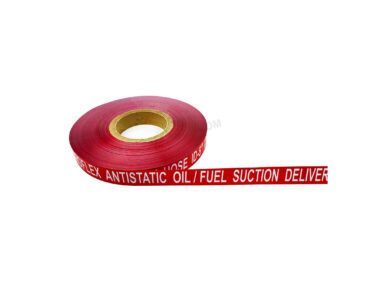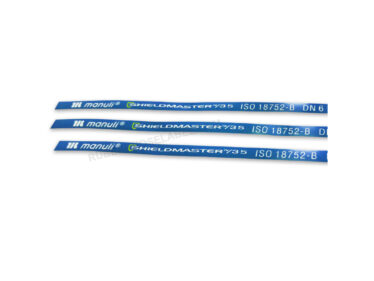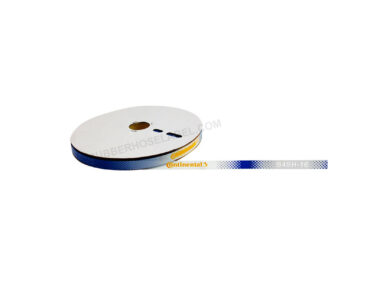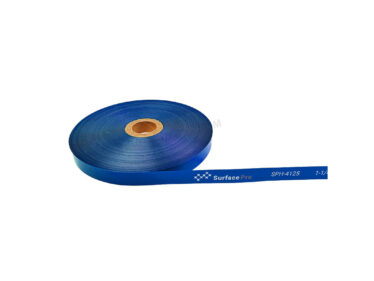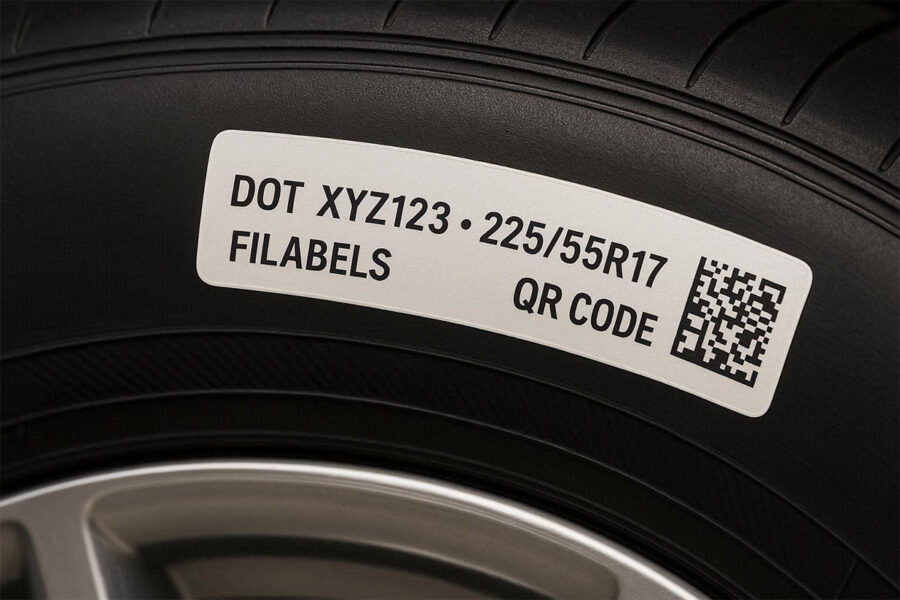
If you manufacture tires and need permanent, tamper-proof vulcanizable tire labels that survive curing and road use, this guide covers the technology, compliance, and real-world benefits of vulcanizable labeling.
In the tire manufacturing industry, permanent, tamper-proof identification isn’t just about branding—it’s critical for safety, traceability, warranty validation, and regulatory compliance. Yet, many tire makers still rely on surface stickers or laser engraving that fade, peel, or become unreadable after months of road use.
The solution? Vulcanizable tire labels—labels that embed directly into the tire sidewall during curing, becoming a permanent part of the rubber structure.
In this comprehensive guide, you’ll discover:
- How vulcanizable labels outperform traditional tire marking methods
- What data you can include (DOT code, QR, multi-language, etc.)
- Technical specs for curing compatibility
- Real ROI from global tire manufacturers
- How to get free samples for your production line
The Challenge: Tire Labels That Survive the Real World
Tires operate in extreme conditions: UV exposure, ozone, road abrasion, oil, water, and temperature swings from -40°C to +70°C. Standard pressure-sensitive labels degrade quickly. Laser marks lack contrast on black rubber and can’t display logos or barcodes.
Worse, unreadable or missing labels lead to:
- Warranty disputes (“We can’t verify the batch”)
- Recall inefficiencies (no traceability)
- Brand dilution (faded or missing logos)
- Regulatory non-compliance (missing DOT/ECE codes)
How Vulcanizable Tire Labels Solve These Problems
Vulcanizable tire labels are placed on the green tire before it enters the curing press. During vulcanization (typically 15–25 min at 160–180°C), the label’s rubber backing chemically bonds with the tire compound, creating a seamless, monolithic mark.
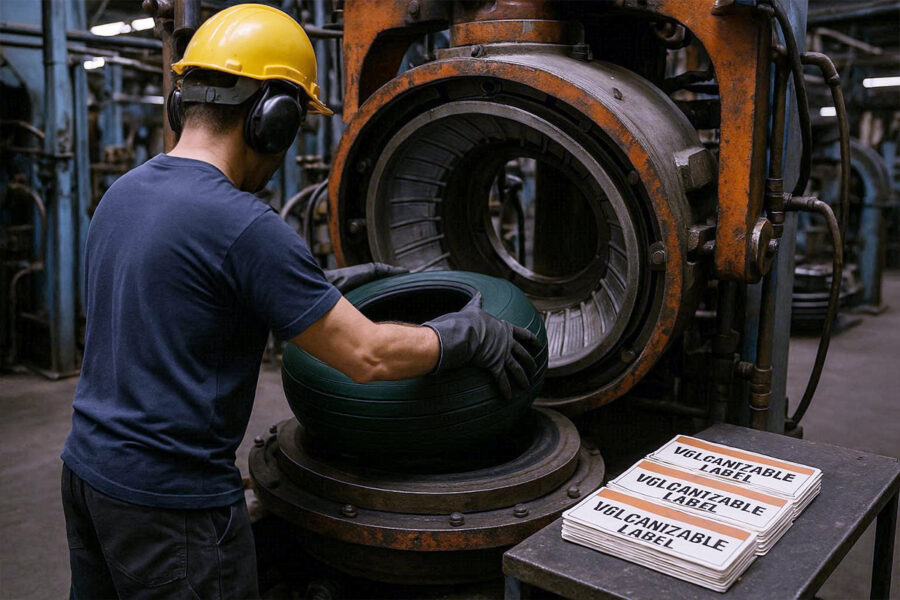
Unlike surface methods, this label:
- Cannot be removed or tampered with
- Survives sand, gravel, and curb impacts
- Maintains high contrast in all lighting conditions
- Supports full-color graphics—logos, icons, barcodes, QR codes
What Can You Print on a Vulcanizable Tire Label?
Our digital printing technology supports:
- Brand logo (full-color or spot color)
- Tire size (e.g., 225/55R17)
- Load index & speed rating (e.g., 98H)
- DOT code, ECE approval mark
- Manufacturing date (week/year)
- Batch or serial number
- QR code linking to digital passport (e.g., warranty, test reports)
- Multi-language text (English, Spanish, Arabic, Chinese, etc.)
Technical Specifications
| Parameter | Specification |
|---|---|
| Compatible Tire Types | Passenger, Truck, OTR, Agricultural, Retread |
| Curing Temperature | 100°C – 150°C |
| Curing Time | 15–180 minutes |
| Label Thickness | 30–50 um (won’t affect mold closure) |
| Ink Materials | Imported high-quality ink, Colorfastness under long-term use |
| Certifications | ISO 9001:2015 (Quality) | ISO 14001:2015 (Environmental) |
Real-World Impact: Case from a European Retread Manufacturer
A leading retread tire producer in Germany switched from inkjet printing to FLLabels’ vulcanizable solution. After 18 months:
- ✅ 40% fewer customer complaints about unreadable batch codes
- ✅ Enabled full digital traceability via QR codes
- ✅ Reduced rework costs by €120,000/year
“The label clearly marked, refurbished tires can also be used.” said their production director.
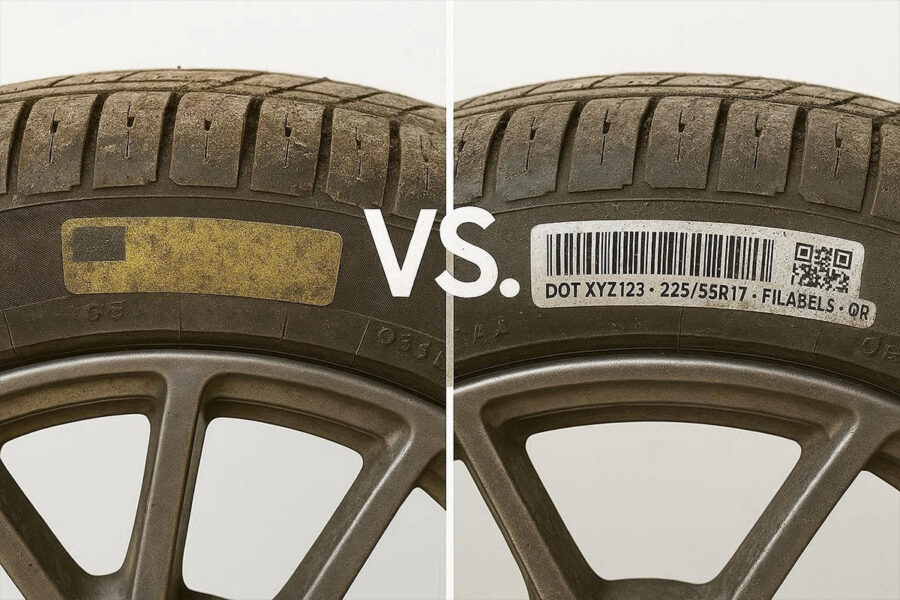
Vulcanizable vs. Other Tire Marking Methods
| Method | Durability | Graphics | Best For |
|---|---|---|---|
| Vulcanizable Labels | ★★★★★ | Full color, QR, logos | OEM & high-value retread |
| Heat Transfer | ★★★☆☆ | Limited color | Post-cure marking |
| Laser Engraving | ★★★☆☆ | Monochrome only | Simple text on dark rubber |
| Inkjet Printing | ★☆☆☆☆ | Fades quickly | Low-cost, short-life tires |
Frequently Asked Questions (FAQ)
Will the label affect my mold or curing process?
No. Our labels are 30–50 um thick and designed to fit within standard mold tolerances. No modification needed.
Can you print white text on black rubber?
Yes. We use high-opacity white ink that remains visible even on dark sidewalls—critical for DOT codes and safety info.
Do you support retread tire applications?
Absolutely. We offer labels that survive the buffing and re-curing process used in retreading. Many retread plants use our solution for batch tracking.
What’s the lead time for custom samples?
Standard samples: 5–7 days. Custom-printed with your logo/data: 7–10 days.
Why Global Tire Makers Choose FLLabels
- 20+ years specializing in rubber labeling
- ISO 9001 certified production facility
- Imported inks for superior UV/ozone resistance
- Free technical consultation and sample testing
Test Before You Commit
See how vulcanizable labels perform in your curing line. Request free samples tailored to your tire compound and curing parameters.
Includes: 3 label options + curing guide.